
 EN
EN
 AR
AR
 HR
HR
 CS
CS
 DA
DA
 NL
NL
 FI
FI
 FR
FR
 DE
DE
 EL
EL
 HI
HI
 IT
IT
 JA
JA
 KO
KO
 PL
PL
 PT
PT
 RO
RO
 RU
RU
 ES
ES
 TL
TL
 IW
IW
 ID
ID
 LV
LV
 SL
SL
 UK
UK
 VI
VI
 HU
HU
 TH
TH
 TR
TR
 MS
MS
 GA
GA
 MK
MK
 YI
YI
 HY
HY
 AZ
AZ
 BN
BN
 LO
LO
 LA
LA
 MY
MY
 KK
KK
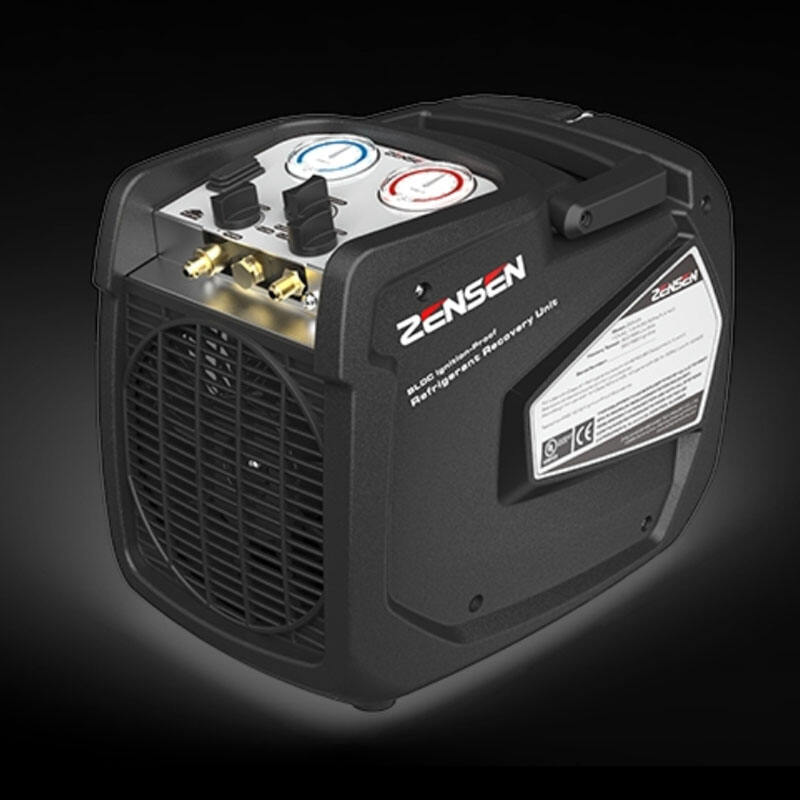
Did you know that one of the key factors in keeping your food cold and fresh is how the refrigerator works to cool it down? Refrigeration cycles are important during this whole process and they play a great role in keeping your perishable items at that perfect temperature, so today we are going to talk about the different parts of refrigeration cycles in cooling systems.
Learn the Basics of Refrigeration Cycles
In fact, refrigeration cycles are the heart of cooling systems such as your refrigerator. They do this by removing heat from inside the fridge and transferring it out to the environment, thus helping to maintain a lower temperature within it. This combination is the culmination of a number of devices working in concert to maximize cooling performance.
Overall, The Key Function of Condensers in Refrigeration Systems Is Quite Straightforward
Refrigeration cycles require the aid of water condenser. You release this heat from the refrigerant gas, resulting in it going back to its liquid form. This important tread for keeping the perfect temperature in the fridge. Conversely, if there were no condensers, the refrigerant gas would not be able to discharge the heat it picked up from inside of the fridge.
The Role of Evaporator in Cooling Process
Another major part of the refrigeration cycle is evaporators. The way these things operate is that they suck heat out of the fridge, and this causes the refrigerant liquid to evaporate into gas. This ensures the inner temperature of the refrigerator is cooled, that way you can keep your food fresh for longer periods. Evaporators are essential in enabling the refrigerant liquid to cool the hot air from inside. Without that, a fridge is ineffective at cooling items within it.
Importance of Compressors in Refrigeration Cycles
Refrigeration Cycles and Importance of compressor. They operate by compressing gas refrigerant, raising both its pressure and temperature. Subsequently, the high-pressure vapor enters the condenser; where it loses heat and cools to a liquid state again. Compressors are crucial to keep the flow of refrigerant gas moving through the system in a manner that ensures efficient cooling.
Solving the Puzzle of Expansion Valves Maintain Cooling Performance at Peak Efficiency
An Expansion Valve in a Refrigeration Cycle - These manage the circulation of the refrigerant liquid through an orifice, controlling exactly how much enters into evaporator and also then right into the rest of your cooling system. This process is to avoid excessive refrigerant charging by just what the required quantity of refrigerant that should be in use in order to chill down the internal of refrigerator properly. Without an expansion valve, the refrigeration cycle could not be used efficiently and inconsistent cooling would result.
So to wrap up, these are the refrigeration cycle you need to know to make sure your fridge stays at just the right temperature. All the components serve a different part in cooling, from taking heat using evaporators to discharging warmth employing condensers. Knowing what your refrigerator should do with these components as well as how they work will help you to better understand the way that your fridge operates, going a long way in keeping everything cool and fresh. When you next open your Zhuoli fridge, pause for a moment to consider this fascinating system of refrigeration cycles that are keeping everything delicious and nutritious in the best condition.
Table of Contents
- Learn the Basics of Refrigeration Cycles
- Overall, The Key Function of Condensers in Refrigeration Systems Is Quite Straightforward
- The Role of Evaporator in Cooling Process
- Importance of Compressors in Refrigeration Cycles
- Solving the Puzzle of Expansion Valves Maintain Cooling Performance at Peak Efficiency


