Hydronic heat exchangers are unique systems designed to provide us with a warm place in an environmentally friendly manner. Heat passes through water which we roughly use to circulate around and potentially turn our homes all cozy. It is really cool because this has solar or ground power to bring as energy and make us less dependent on fossil fuels. They also double as potent heat storage batteries, meaning said energy is not lost. In addition, they operate quietly and do not disperse any dust or allergens that will keep us healthy.
It makes us warm because a hydronic heat exchanger will also provide direct heating to objects around you, not the air we breathe only. This made heat dissemination uniform, in a relaxed manner. They even help us to save energy, and do not require additional electricity from the grid. These systems allow us to heat in the areas we requireheat by using zone control and dividing each area into an individual thermostat. They are very long lasting and require little maintenance, so they can be a great investment as well.
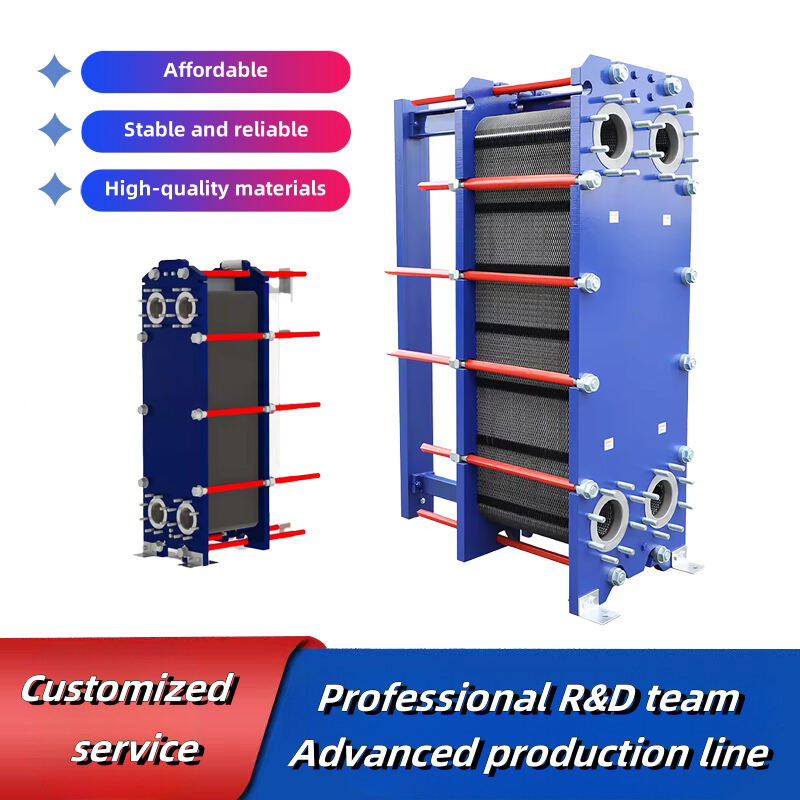
A solution to this problem was developed in the form of a neat thing called a hydronic heat exchanger. Consists of two parts one with hot water and the other part cold air /water. The heat is transferred between them but the fluids do not mix with each other. Some systems have additional features to further optimise this process.
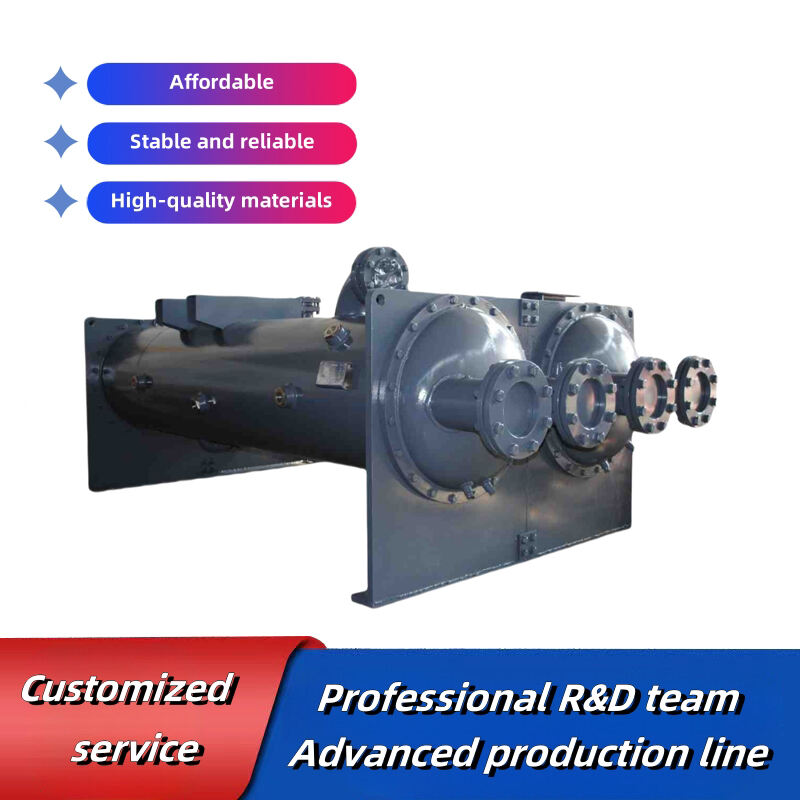
Install hydronic heat exchangers into any sized house or building An example of a couple different ways in which they can be installed is on the walls, under the floor and/or along baseboards. They are also smart enough to be operated with our smartphones to control the temperature for far away Hinging whether they are efficient and present no pollution, we can use with substantive eco-agreeable heating or renewable energy sources.
In some sences, these systems are widely used in the world by homes factories and big facilities. They provide heat to us in cold winters, and coolness during our hot summers. Companies use them to heat their buildings, and other uses are for industries heating requirements. Indeed, they as well contribute to the development of environmentally friendly initiatives (e.g. solar projects), and are necessary for sustainable activities that transition towards a more responsible future.
Understanding The Significance Of Hydronic Heat Exchangers
The hydronic heat exchanger is a critical component in energy efficiency and environmental protection. They tend to be more environmentally friendly than standard heating systems as they use water for heat exchange. In addition, they can also tap renewable sources of energy like solar and geothermal for reducing the carbon footprints on earth. Additionally, their ability to retain heat over long durations also makes use of less energy resulting in diminished CO2 emissions thereby falling in line with worldwide sustainability targets.
We are dedicated to ongoing innovation, research and development and making products more efficient customer service. Our R and D department at the forefront of industry hydronic heat exchanger in developing cutting-edge technologies products that meet ever-changing customer requirements drive industry progress.
We utilize latest manufacturing techniques and {keyword}}, ensure excellence every stage. By implementing rigorous quality-control system, our products able to achieve industry-leading performance, durability, and dependability, meet the requirements of many complicated scenarios of application.
We have more 20 years' experience in the business and accumulated an extensive knowledge base technology. Our team of hydronic heat exchanger is well-versed in technological developments market needs and can provide precise effective customized solutions to ensure each product meets the highest quality standards.
We believe in close cooperation our customers offer comprehensive services. From needs analysis solution design to after-sales support Our team experts will guide you each step ensure a smooth hydronic heat exchanger of every project, resulting in the greatest value for our clients.
When hydronic heat exchangers are installed, it comes through a lot of benefits. Firstly, they provide a more comfortable form of heat than other heating solutions as radiant heaters work by directly warming objects and surfaces rather that the air in your space - which leads to an even distribution of warmth throughout living zones. The other factor is that due to being energy-efficient these driers will save you money on electricity bills over time. Perimeter Control- - Users can set different temperature requirements for separate areas, which helps save energy by only heating occupied spaces. The longevity factor of hydronic heating and the little need for maintenance are further benefits that make it a smart long-term, cost-effective investment.
Efficient Heat Transfer & Its Technology
An integral part of how hydronic heat exchangers work is the complex but simple process it uses to exchange thermal energy. This consists of loops, one for hot liquid and other for cold fluid. Heat exchange is achieved through the walls of the exchanger, which are usually constructed from materials with high thermal conductivity (for example copper or stainless steel tubes) to allow heat transfer between fluids without mixing them. More sophisticated designs can include items like turbulators or enhanced fin structures to improve heat transfer rates and system efficiency overall.
Versatile Design Options for Hydronic Heat Exchangers
Hydronic heat exchangers are known for their ability to fit into many architectural spaces and lifestyles. These systems can be tailored to operate everywhere from a small apartment all the way up through complex commercial facilities. Available design options include wall-mounted radiators, underfloor heating loops or baseboard heaters that allows to install the system in various applications. Ti can also connect with smart home systems to give you the ability to control and schedule temperatures from anywhere, improving on both convenience and individualization. Renewable energy - For a truly unique heating solution, the system has unmatched flexibility for using renewable energy in an elastic fashion.
Hydronic Heat Exchangers Revolutionising Multiple Applications in Modern Infrastructure
Hydronic heat exchangers are used in various forms across many contemporary built environments, just so we could appreciate how versatile they really are. In residential applications, they provide good heating in winter and cooling during hot weather when used together with chillers. They are used commercially, as part of large-scale HVAC systems that keep office buildings and retail space at comfortable temperatures. Hydronic systems are used in industries for process heating, waste joint recovery and cooling applications like data centers. In addition, their contributions to renewable energy initiatives as solar thermal arrays and ground source heat pumps signal the wider role they can play in future sustainable infrastructure.
In short, hydronic heat exchangers represent the ideal combination of modern technology and eco-friendliness. They are very sustainable in conjunction with the incredible convenience, efficiency and adaptability they bring to your heating solutions ensuring that air-source heat pumps should be near the top of your list of modern heating options. With the rest of earth catching up on sustainability, further improvement and adoption of hydronics would indeed help form a green-er energy future.

 EN
EN
 AR
AR
 HR
HR
 CS
CS
 DA
DA
 NL
NL
 FI
FI
 FR
FR
 DE
DE
 EL
EL
 HI
HI
 IT
IT
 JA
JA
 KO
KO
 PL
PL
 PT
PT
 RO
RO
 RU
RU
 ES
ES
 TL
TL
 IW
IW
 ID
ID
 LV
LV
 SL
SL
 UK
UK
 VI
VI
 HU
HU
 TH
TH
 TR
TR
 MS
MS
 GA
GA
 MK
MK
 YI
YI
 HY
HY
 AZ
AZ
 BN
BN
 LO
LO
 LA
LA
 MY
MY
 KK
KK


