Heat exchangers are vital to heating and cooling systems, from industrial applications down to commercial or residential settings. These systems function through the use of heat exchangers which pass heat from one fluid to another. Aluminum is one of the materials with various properties and advantages among all heat exchanger material.
The outstanding thermal conductance is one of the great advantages in using aluminum for heat exchangers. Aluminium is a great heat conductor so it can help with fast heating and even cooking. So it is energy-saving in heating/cooling, making aluminum heat exchangers much efficient.
The relatively low weight of aluminum in conjunction with its very high thermal conductivity is what distinguishes this material from materials such as copper or steel. In addition, aluminum evaporators are substantially lighter in weight which aids both installation and handling. This trait also makes aluminum a favorite for use in portable heat exchangers like those found inside mobile refrigeration units.
Aluminum also features excellent resistance to corrosion, a characteristic that provides the material with an edge over several other metals used in heat exchangers. Such a layer of natural oxide films means that aluminum heat exchangers are far more resistant to corrosion, making them longer lasting than conventional ones with no special substance applied on its surface.
New designs with advances in aluminum heat exchanger technology have been released periodically into the market place, and it has become a leading product category back then. One of the newest advancements is that microchannel all aluminum heat exchangers are sparking up. By using small channels, these cutting-edge heat exchangers deliver improved efficiency in a way that consumes less material overall.
An interesting innovation is the application of brazed aluminum heat exchanger. The coolants passes through single aluminum sheets braised together in this design. This allows for a heat exchanger that s more package-efficient than what we re used to, with the compact design saves weight and material compared not just other sportscar engines but Pyzel suspects others as well.
Other breakthroughs include improved heat transfer and anti-corrosion nano-coatings, as well as the use of more advanced manufacturing process such as 3D printing to produce complex multi-phase flow paths within heat exchanger designs.
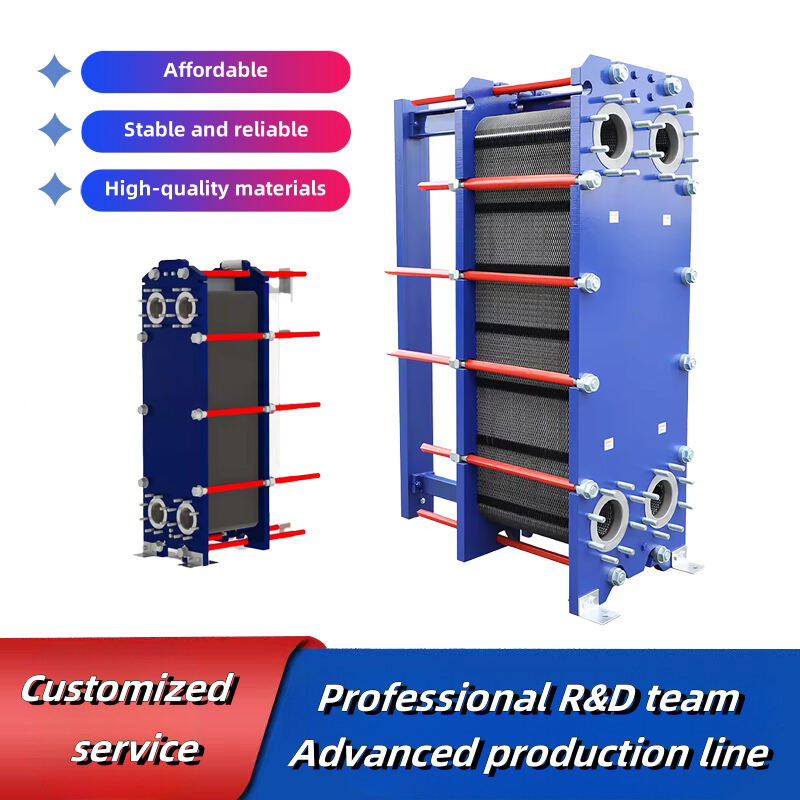
While it can be challenging to select an aluminum heat exchanger, the process becomes greatly simplified when some major factors are considered. Step 1: Background evaluationApplications needs (heating/cooling rate, thermal capacity and operational conditions) This is a vital parameter that helps in sizing and designing the heat exchanger.
Next, consider the fluid that will run through the heat exchanger. Some fluids can damage material and might require materials or coatings that resist corrosion. Furthermore, certain fluids may require specific flow rates or pressure tolerances that have to be taken into account when selecting heat exchangers.
Little advice - Also consider the working environment in which your heat exchanger will operate. Factors like temperature, humidity level and exposure to outside elements reduce the performance. Sometimes additional protective coatings or other materials may be needed to protect the heat exchanger for long-term use.
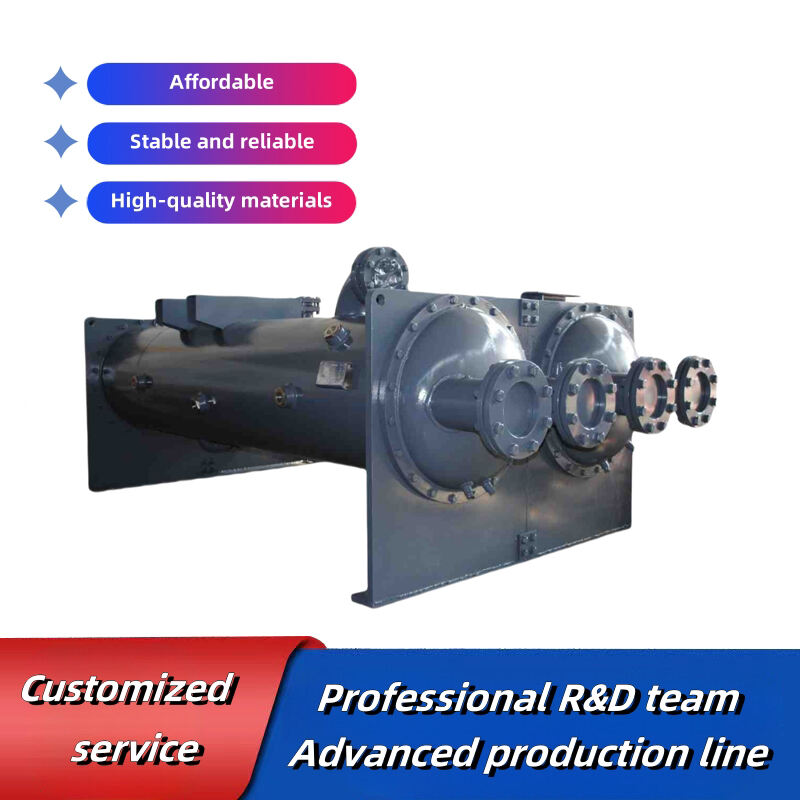
The materials and manufacturing throw a wide line of the performance that an aluminum heat exchanger will present, while it is induced to duty. Most commonly made from 3003 or 6061 aluminum alloy, which is recognized for its high thermal efficiency and resiliency.
Extrusion, brazing and rolling are some of the manufacturing process used for aluminum heat exchangers. The first process, extrusion involves taking an aluminum billet which is heated then pushed through a die providing shape.Brazing on the other hand refers to bonding aluminium sheets together using high with high temperature. On the other hand, rolling involves passing aluminum sheets through rollers to obtain desired thickness and form.
New-age manufacturing techniques such as the 3D printing and additive manufacturing processes are being increasingly commericialized in aluminium heat exchangers. With these advanced methods, we can have more complicated patterns and be able to minimize material waste along with improved manufacturing productivity.
Aluminum heat exchangers, in short offer a world of benefits on- top which such popular characteristics ass: super thermal conductivity combined with the lightweight and amazing resistance to corrosion. Continued advancements in aluminum heat exchanger technologies (microchannel and brazed designs), as well the integration of nano-coatings, and advanced manufacturing methods like 3D printing are further testament to industry focus on delivering superior performance & efficiency.
In selecting an aluminum heat exchanger, there are several considerations including the application needs and other factors like fluid properties, operating environment or manufacturing techniques. Carefully balancing these factors allows the selection of an aluminum heat exchanger ideal for any heating or cooling application, ensuring maximum performance, energy efficiency and product robustness.
We have over 20 years working the field and have developed extensive knowledge base and technologies. Our staff experts are adept at keeping up with the latest technological developments aluminum heat exchanger trends. We provide precise efficient solutions that guarantee our products are in line with the highest standards.
We're committed for continuous technological advancement, research development, continuously improving the aluminum heat exchanger our products and customer experience. R and D department is at the forefront of innovation industry, creating breakthrough technologies and products that satisfy evolving customer demands propel the industry forward.
We utilize latest production methods equipment, guaranteeing excellence each stage. By implementing a rigorous quality-control system, {keyword}} achieve top-of-the-line performance, durability dependability, which meet the requirements a variety of intricate scenarios of application.
We believe in close cooperation our customers offer comprehensive services. From needs analysis solution design to after-sales support Our team experts will guide you each step ensure a smooth aluminum heat exchanger of every project, resulting in the greatest value for our clients.

 EN
EN
 AR
AR
 HR
HR
 CS
CS
 DA
DA
 NL
NL
 FI
FI
 FR
FR
 DE
DE
 EL
EL
 HI
HI
 IT
IT
 JA
JA
 KO
KO
 PL
PL
 PT
PT
 RO
RO
 RU
RU
 ES
ES
 TL
TL
 IW
IW
 ID
ID
 LV
LV
 SL
SL
 UK
UK
 VI
VI
 HU
HU
 TH
TH
 TR
TR
 MS
MS
 GA
GA
 MK
MK
 YI
YI
 HY
HY
 AZ
AZ
 BN
BN
 LO
LO
 LA
LA
 MY
MY
 KK
KK


